Why every future-ready school needs a nature lab
Schools are being asked to teach climate, nutrition, and life skills. Here's why a living nature lab is the missing classroom.
Every school already accepts a simple idea: some subjects cannot be taught from a book alone. That is why schools build physics labs, chemistry labs, biology labs, and computer labs. Yet the subjects that will define this generation's adult life, food, climate, and health, are still taught almost entirely from print.
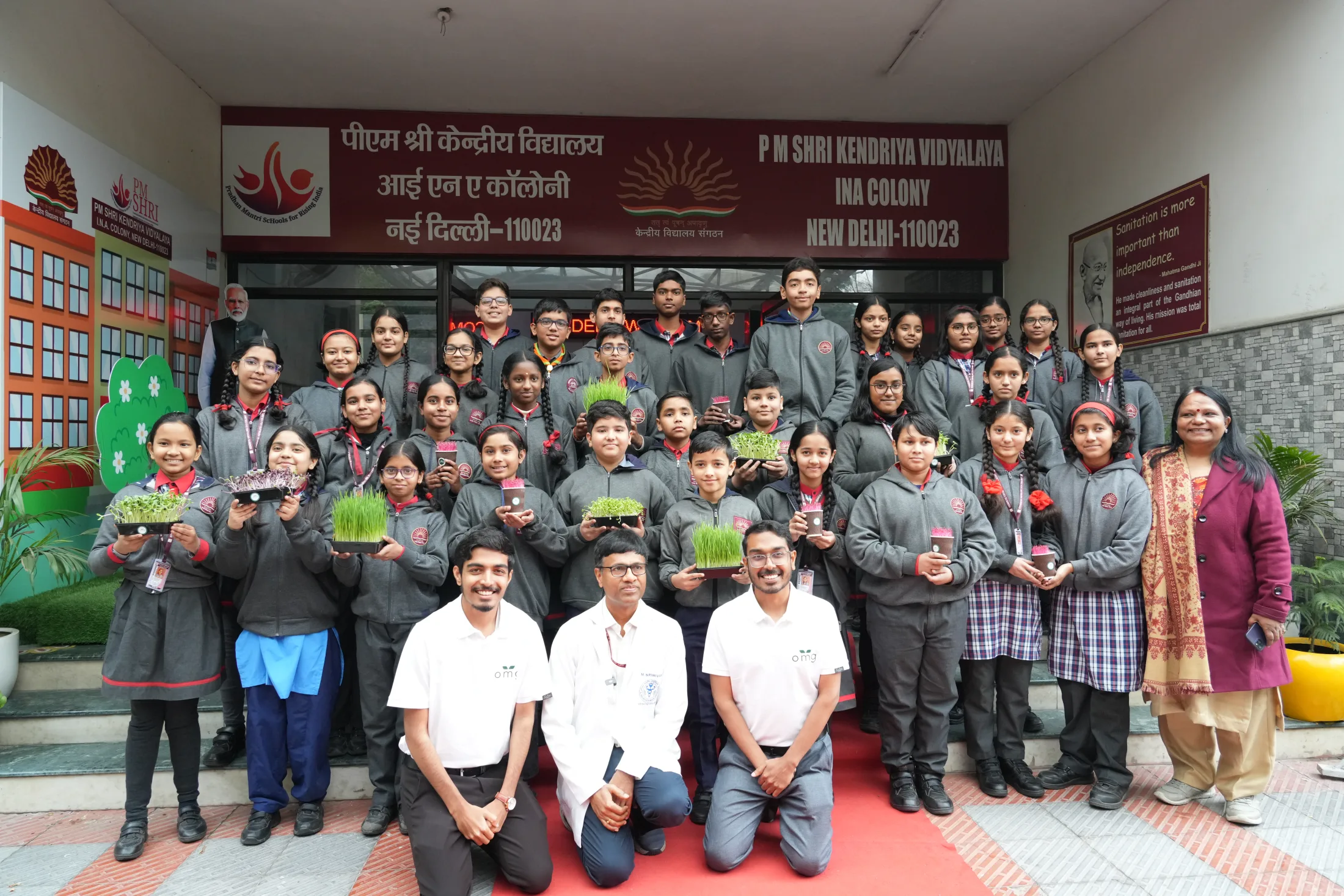
A nature lab closes that gap. It is a living, working space inside the school where students grow real food, observe real plant cycles, measure real water use, and taste what they raise. Lessons about nutrition stop being abstractions the moment a student harvests pea shoots she sowed twelve days earlier.
The policy environment has caught up. NEP 2020 places experiential learning at the centre of Indian education, CBSE has formalised skill education, and inquiry-based frameworks like IB and Cambridge expect students to investigate rather than memorise. A nature lab is one of the few facilities that serves all of these mandates at once, across science, geography, and social studies.
There is also a well-being case. Children today grow up further from nature than any generation before them, while lifestyle disease, poor diet, and climate anxiety rise. Working with living plants is calming, responsibility-building, and confidence-building. Teachers repeatedly report that students who struggle in conventional classes often lead in the lab.
A garden can offer some of this, but gardens depend on land, weather, and one champion teacher. An indoor nature lab works year-round, fits in 150 to 400 square feet, and comes with curriculum, training, and support, so the learning survives staff changes and summer breaks.
The future-ready school is not the one with the most screens. It is the one where students understand the systems that keep them alive, because they have run one themselves.