What is climate education?
Beyond awareness, toward observation, action, and student leadership.
Most climate teaching stops at awareness: melting ice, rising seas, a poster competition. Students end up informed and helpless at the same time. Real climate education has three more floors above awareness: observation, action, and leadership.
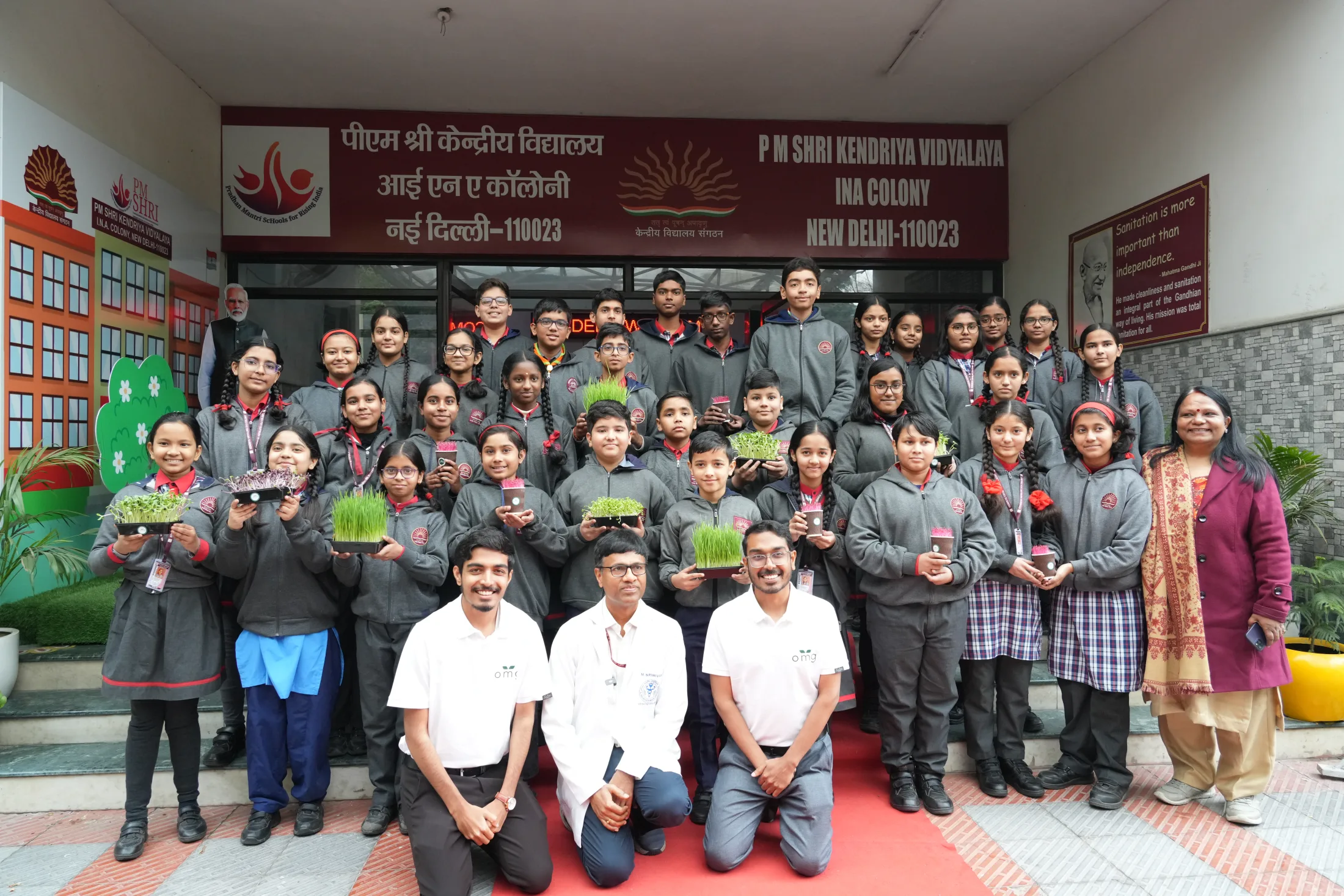
Observation means working with real data from a system the student can touch. In an OMG Lab, students measure the water a tray of microgreens uses, compare it with the water cost of the same greens trucked from a distant farm, and chart the difference. Food is the most accessible climate dataset there is; every child eats three times a day.
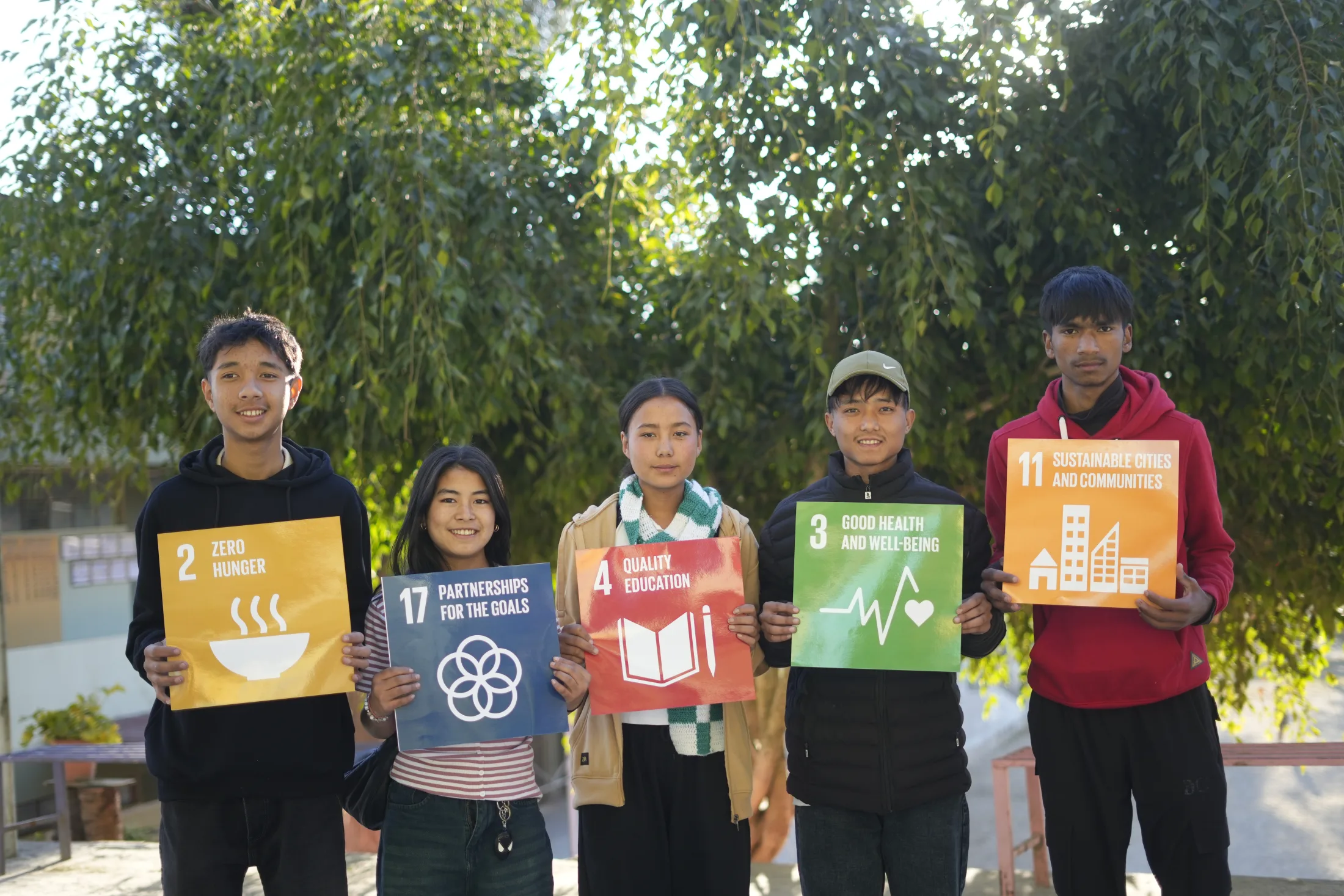
Action means the numbers change something. Classes reduce food waste in the canteen because they now know what it took to grow the food. Students grow a measurable fraction of their own greens, cutting food miles to food metres. Local, low-water, pesticide-free growing is climate action a ten-year-old can perform weekly, and it aligns directly with SDG 12 (responsible consumption) and SDG 13 (climate action).
Leadership means students carry it beyond the classroom. OMG schools run student-led climate quests, harvest showcases, and home-grow challenges that pull families in. A child who teaches her parents why local food matters has done more climate communication than most advertising campaigns.
NEP 2020 already mandates environmental education as a core outcome. The question for schools is not whether to teach climate, but whether to teach it as news or as practice. Awareness fades. Practice compounds.