Good sugar, bad sugar, and hidden sugar, for students
A simple framework children can use to decode any food label.
Sugar confuses adults, so imagine how it reads to a ten-year-old: fruit is good, juice is sometimes good, biscuits are a treat, and breakfast cereal is somehow health food. We teach students a three-box framework that cuts through it.
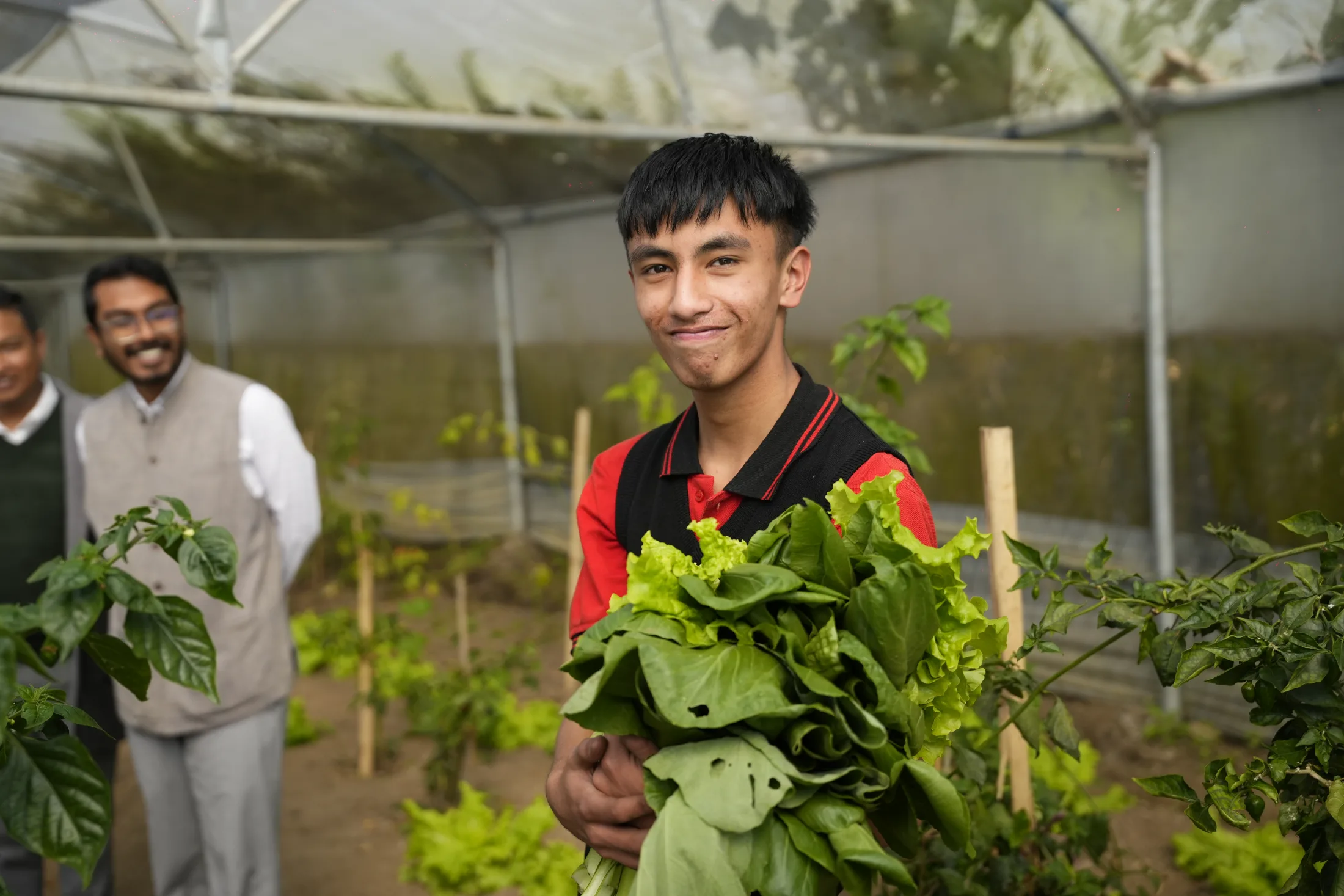
Box one: sugar in its original packaging. Fruit, vegetables, milk. The sugar arrives with fibre, water, vitamins, and minerals, and the body processes it slowly. Compare the whole food with drinks and snacks made from it.
Box two: sugar you can see. The spoon in your tea, the jaggery in a sweet, the icing on a birthday cake. Visible sugar is honest sugar; you know you are eating it, so you can decide how much and how often. Enjoy deliberately, not daily.
Box three: sugar that hides. This is the box that matters. Ketchup, packaged bread, flavoured yogurt, 'energy' drinks, cereals with cartoon mascots. Students learn the label game: find the ingredients list, spot sugar's disguises (glucose, fructose, corn syrup, maltodextrin, 'fruit concentrate'), and check how close to the top of the list they appear.
In the lab, this becomes an activity: students bring a wrapper from home, decode it in pairs, and rank the class's snacks from most honest to most hidden. Nobody forgets the day their favourite drink turns out to carry nine spoons of box-three sugar.
The goal is not fear. It is a childhood instinct: know which box your sugar is in before you eat it.