Why food literacy should begin in childhood
If we wait until adulthood to teach what real food is, we've waited too long.
Food habits are largely set in childhood. By the time most people learn to read a nutrition label, their preferences, portion habits, and snack defaults have been shaped by a decade of marketing and convenience. Food literacy taught at age ten changes more meals than a diet started at thirty.
Food literacy helps children ask useful questions about everyday meals: what ingredients are present, how a serving is measured, and how different foods contribute to a varied diet. Reading a label is a practical classroom skill that students can discuss with their families.
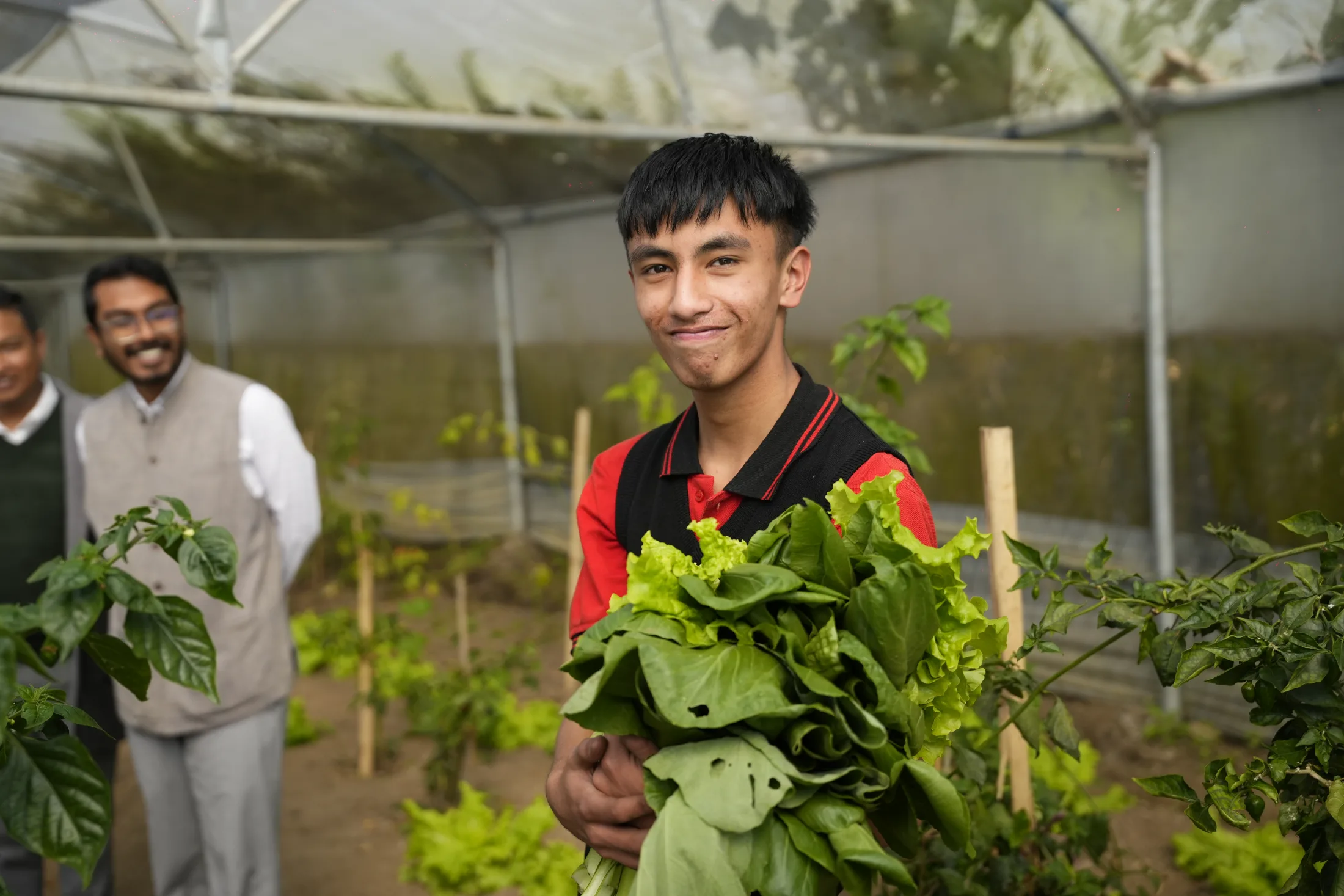
The most powerful food lesson, though, is not a chart. It is growing something and eating it. Students who raise their own microgreens taste them, and teachers consistently watch self-declared green-haters ask for seconds of something they grew. Ownership changes appetite.
Food literacy also travels home. In OMG schools, students teach parents what they learned, compare labels in the kitchen, and start family growing trays. A single classroom of food-literate children quietly educates a hundred adults.
Schools already teach children to read words and numbers. Teaching them to read food, where it comes from, what is in it, and what it does, belongs on the same shelf of basic literacy.