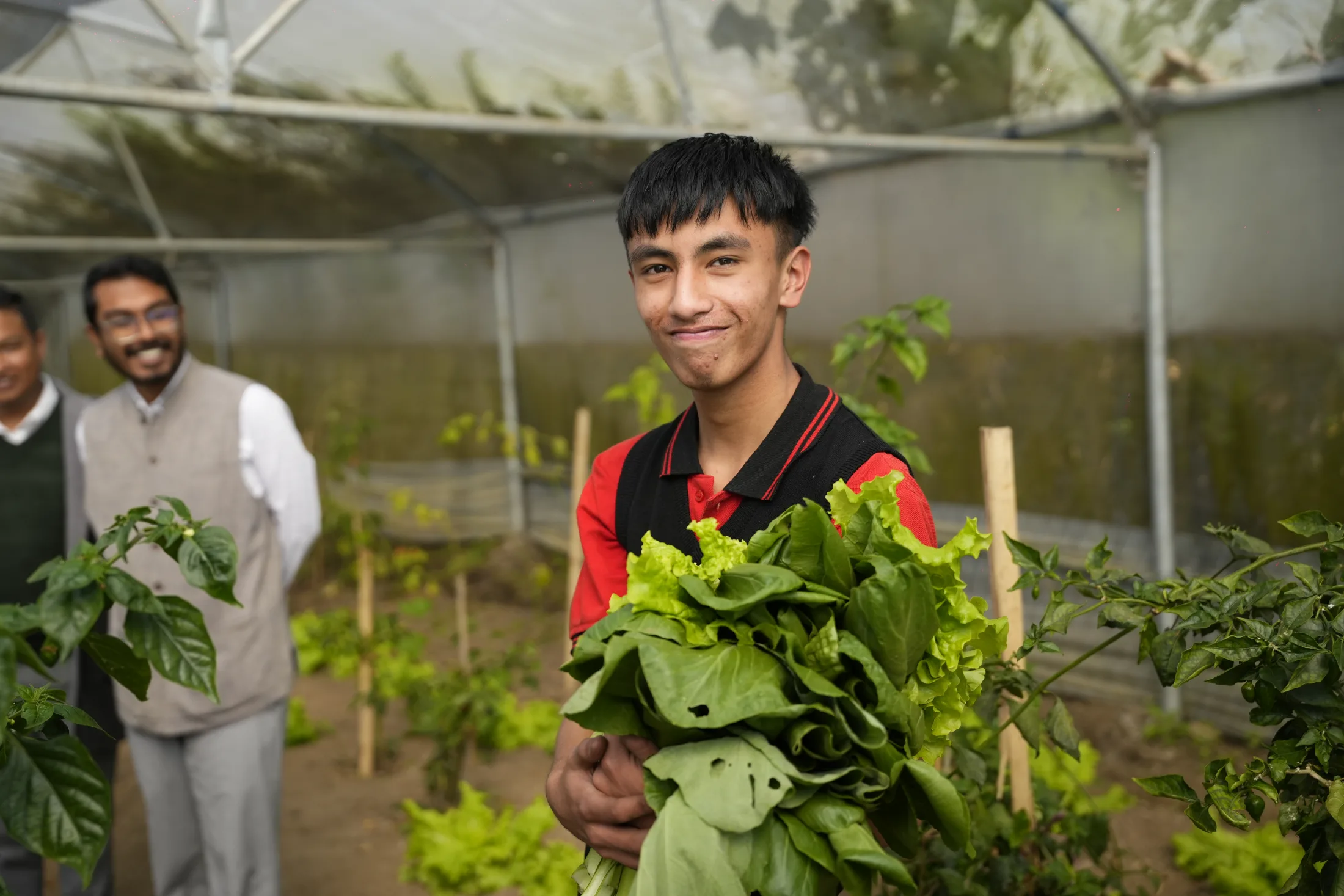
How farming teaches 21st-century skills
Patience. Observation. Iteration. Collaboration. Growing food, it turns out, is a near-perfect teacher.
Ask employers what they wish schools taught and the same words come back: problem-solving, teamwork, communication, resilience. Ask teachers how to teach those things inside a 40-minute period and the answers get vague. Farming, even at the scale of a classroom tray, is one of the most reliable answers we have found.
Growing food is a project with real stakes. Seeds are sown, conditions are set, and then the crop either thrives or it does not. Students learn to observe closely, record honestly, and adjust. When a tray fails, and some trays fail, the class runs a root-cause review: was it water, light, hygiene, or timing? That is the scientific method practised, not described.
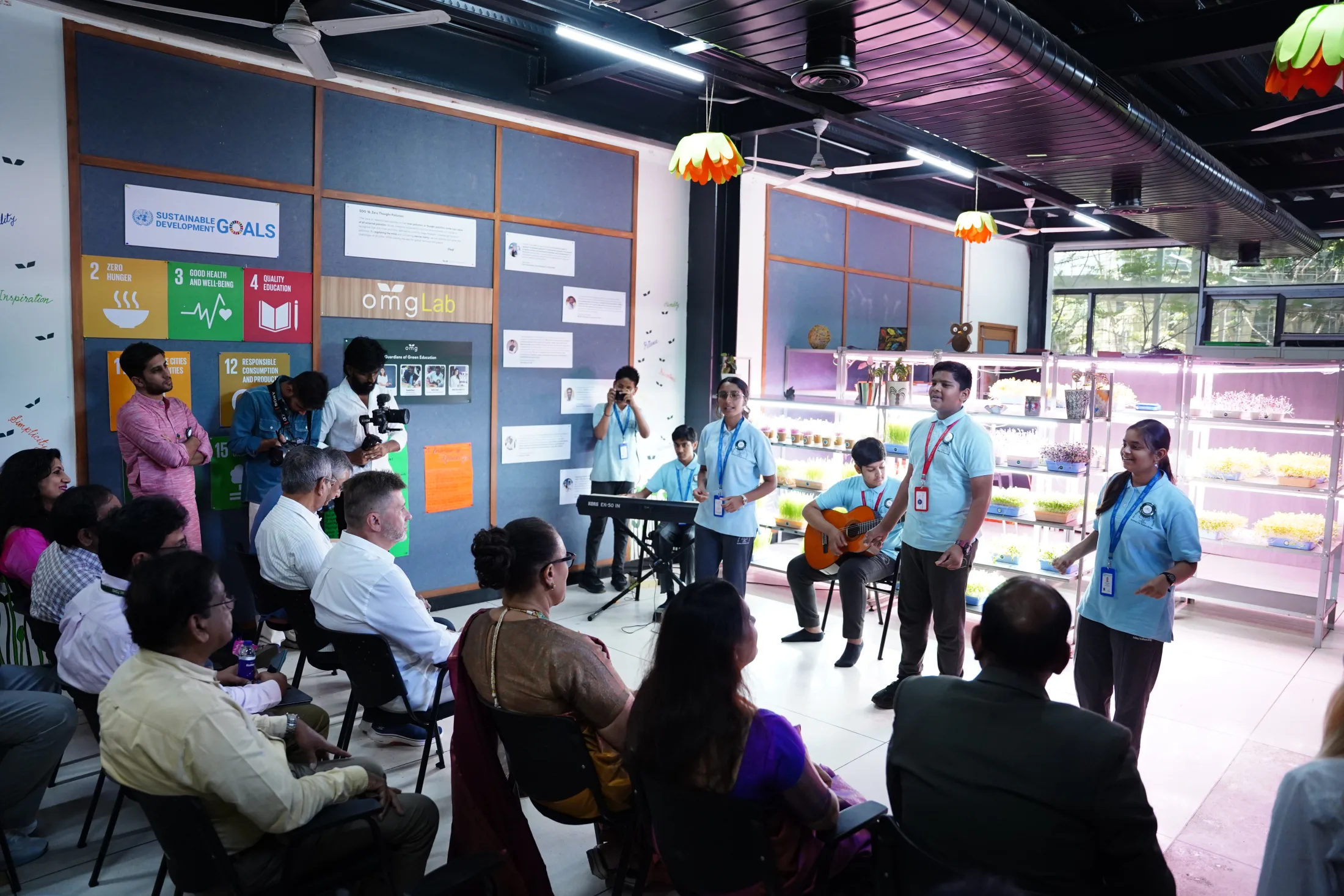
It is also inherently collaborative. A growing cycle has roles: sowing, misting, measuring, journaling, presenting. Rotating those roles teaches students to hand over work, depend on each other, and lead in turn. The harvest presentation, where a team explains its data to the school, builds public speaking with a subject the speakers genuinely own.
Patience may be the rarest skill of all. A microgreen cycle takes seven to fourteen days, fast enough to hold attention, slow enough that nothing can be rushed. Students learn that living systems reward consistency, not cramming.
NEP 2020 calls for exactly this kind of learning: hands-on, project-based, connected to life. A lab that grows food delivers it every single week of the school year.