A Garden Is Not a Break From Academics
The false choice between “academic” and “outdoor” learning
Garden time is sometimes treated as a reward after serious work is finished. That view misses what well-designed garden learning can do. Children can estimate and measure, compare variables, interpret patterns, build vocabulary, write explanations, debate choices and calculate yield or cost. The location changes; the intellectual work does not disappear. The distinction is between unstructured time near plants and a purposeful learning sequence. Both can be enjoyable, but they serve different goals. If the class is meant to learn measurement, the teacher needs a common unit, a recording method and a question worth answering. If the goal is persuasive writing, children need evidence and an audience. The garden supplies authentic material; the curriculum supplies direction. Start with the learning objective A useful planning question is: What should children understand or be able to do by the end? Only then choose the plant activity. To practise data handling, measure the same seedlings over several dates and graph the change. To develop descriptive writing, compare a first observation with a later one and revise vague words into precise language. To explore systems, trace water, sunlight, soil or growing medium, people and waste through the project. The FAO describes school gardens primarily as learning platforms and stresses the relationship between practical garden activity and classroom curriculum. That relationship is the key. Digging or watering alone does not guarantee understanding; discussion, documentation and reflection turn activity into learning. Assessment can be visible and humane Teachers can assess a garden lesson without creating a separate examination. Look for accurate observation, appropriate units, a reasoned prediction, responsible tool use and the ability to revise an explanation when evidence changes. A photograph of the setup, a dated table and a short reflection can form a compact learning record. Group work should not hide individual understanding. Give every child a role and ask each learner to record one observation or decision. Rotate roles so that confidence with tools, numbers and speaking is shared rather than concentrated in the same few students.
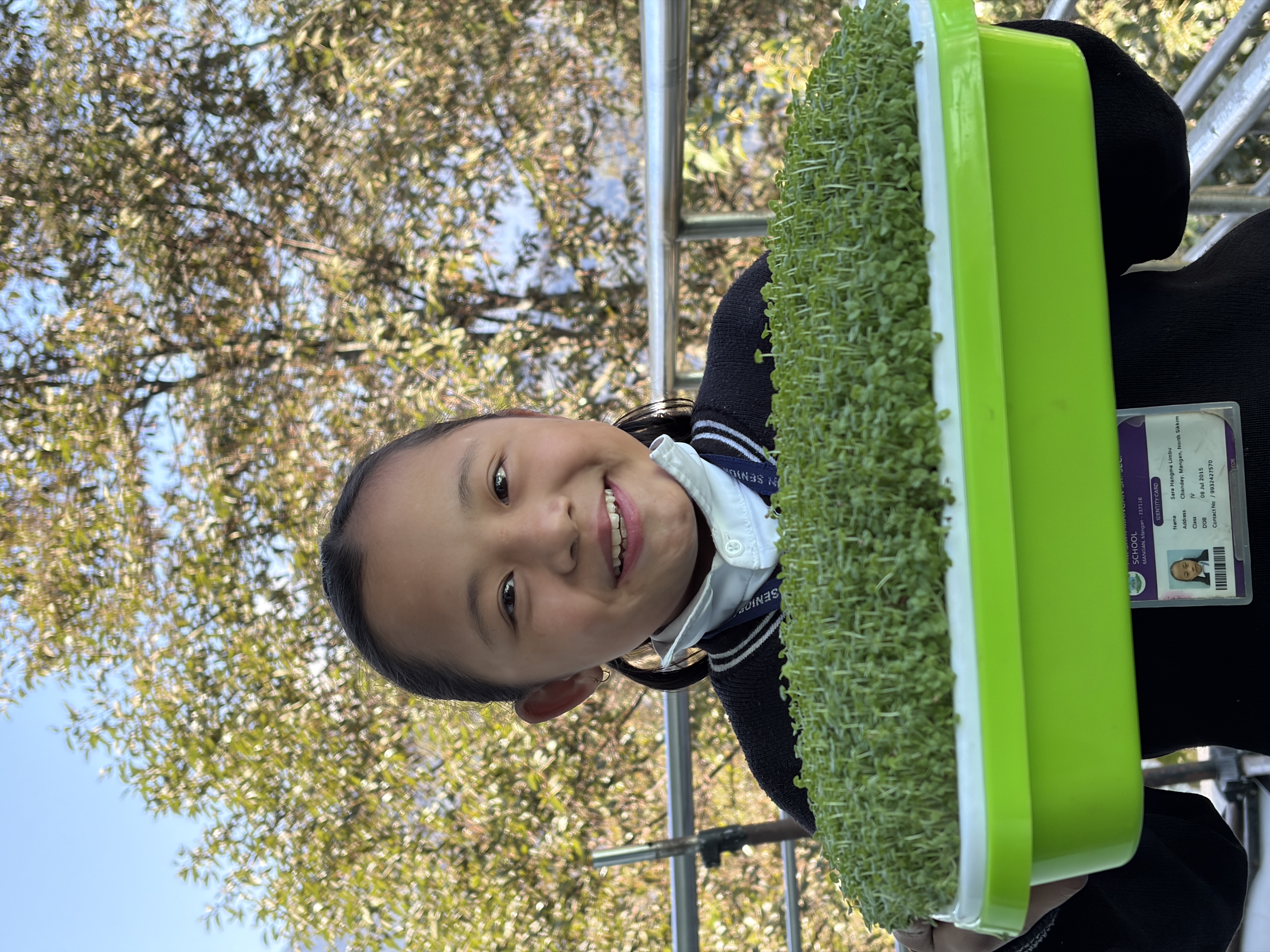
“The garden is not the curriculum. It is a place where the curriculum becomes visible.”
Protect both learning and the living system Good planning also includes safe tools, handwashing, allergy and tasting rules, water use, accessibility and holiday care. These are not administrative distractions. They model the real constraints within which knowledge must operate. A garden belongs in academic learning when it has a clear purpose, a repeatable routine and evidence of what children understood.